
 800-4-SEATOW
 Service Locator


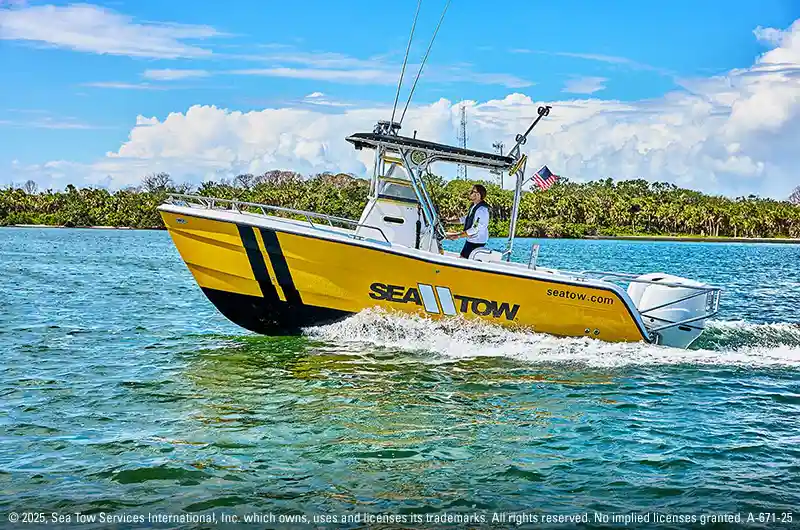
The hull is the watertight body of any boat or ship. It gives the vessel buoyancy, strength, and shape, and every other part of the boat—from decks to engines—rests on it. Hulls come in two basic performance styles (displacement and planing) and several common shapes (flat-bottom, round-bottom, V-bottom, multi-hull, pontoon, and more). Knowing how your hull works and how to keep it healthy sets the foundation for safe and enjoyable boating.
What the Hull Does
A boat’s hull has three critical jobs:
- Keeps Water Out & Air In: The hull is the main barrier between you and the water. If it leaks, you sink.
- Provides Buoyancy & Stability: By displacing water equal to its own weight, the hull keeps the vessel afloat and upright.
- Takes the Beating So You Don’t Have To: It absorbs wave impacts, resists corrosion, and protects everything inside from passengers to gear.
Think of the hull as your boat’s “first line of defense.” If it’s sound, your day on the water starts with confidence.
Two Ways a Hull Moves Through Water
1. Displacement Hulls
- How they work: Push water aside and stay partially submerged.
- Common on: Sailboats, trawlers, large cruise ships.
- Ride feel: Smooth and steady, but slower.
- Fuel note: More efficient at low-to-moderate speeds.
2. Planing Hulls
- How they work: Climb up and skim on top of the water once they reach speed.
- Common on: Center-console fishing boats, PWCs, wake boats.
- Ride feel: Fast and agile, but can pound in chop.
- Fuel note: Thirstier at low speeds; efficient only when fully on plane.
Why it matters: Knowing which style you own helps you set realistic cruising speeds, fuel budgets, and maintenance expectations.
Popular Hull Shapes and What They Do Best
| Hull Shape | Best For | Key Benefit | Trade-Off |
|---|---|---|---|
| Flat-Bottom | Lakes, calm rivers | Very stable; skinny draft | Pounds in chop |
| Round-Bottom | Canoes, displacement cruisers | Glides easily; low drag | Tippy at rest |
| V-Bottom (Deep-V) | Coastal powerboats | Smooth ride in waves | Needs more power |
| Tri-Hull / Tunnel | Small runabouts | Lots of deck space | Slaps in chop |
| Pontoon (Multi-Tube) | Party barges | Massive stability & payload | Limited rough-water ability |
| Catamaran / Multi-Hull | Offshore fishing, ferries | Superb stability; shallow draft | Larger turns, higher cost |
Hull Materials: Pros, Cons, and Care Tips
| Material | Strengths | Watch-Outs | Basic Care |
|---|---|---|---|
| Fiberglass (GRP) | Light, low-maintenance, shapes easily | Blisters if moisture penetrates | Wash salt, wax seasonally |
| Aluminum | Tough, impact-resistant, trailer-friendly | Galvanic corrosion | Inspect welds, isolate metals |
| Steel | Extreme strength, weldable repairs | Rust | Fresh-water rinse, paint systems |
| Wood | Classic looks, natural flex | Rot, high upkeep | Keep dry, re-coat varnish/paint |
| Composite Cores | Very light, stiff | Core damage can soak | Seal fittings, survey regularly |
Tip: No matter the material, a five-minute freshwater rinse after every trip slows corrosion and prolongs hull life.
Five-Step Hull Health Check for Every Launch
Walk the Waterline
Start at the bow and circle the boat. Look for cracks, blisters, or loose hardware. Early signs here save headaches offshore.
Check Thru-Hull Fittings
Push on seacocks and strainers. They should feel firm. A failed thru-hull is a fast track to a sinking ship.
Tap & Listen
Use a plastic screwdriver handle. Crisp “thunk” = solid. Dull “thud” can mean delamination.
Verify Drain Plugs
Sounds obvious—until it isn’t. Make “plug in, drain out” your launch mantra.
Confirm Bilge Pump & Alarms
Turn on the float switch; pump should fire instantly. High-water alarms save boats (and bank accounts).
If you discover damage, call a pro for guidance before leaving the ramp.
When to Call in the Pros
| Symptom | Likely Cause | DIY? | Call a Pro? |
|---|---|---|---|
| Continuous seepage around a thru-hull | Bad bedding / corroded fitting | Small drip, maybe | Yes, haul-out |
| Spider-cracks radiating from strut | Structural stress | No | Yes, surveyor |
| Blisters bigger than a quarter | Osmosis in fiberglass | Possible but tricky | Yes |
| Rust streaks on steel hull | Coating failure | Small spots | Yes, sandblast/coat |
| Persistent list to one side | Water in foam core | No | Yes, urgent |
Remember: The cheapest repair is one done right the first time.
Bringing It All Together
Your hull is more than the part you stand on—it’s the heartbeat of your boat. Understanding its style, shape, and needs empowers you to:
- Plan smarter trips (fuel, speed, comfort)
- Spot small problems before they grow
- Protect passengers, gear, and wallet
And if the unexpected does happen? A quick call to Sea Tow’s 24/7 team connects you to Coast Guard–licensed captains ready to lend a hand—so a minor hull hiccup never ruins a great day on the water.
Lead with knowledge, back it up with preparation, and enjoy boating with confidence.
Frequenly Asked Questions
What is the hull of a boat?
The hull is the watertight body of a boat or ship. It gives the vessel its shape, provides buoyancy, and supports major components such as the deck, engine, passengers, fuel systems, and gear.
What does a boat hull do?
A boat hull helps the vessel float, stay stable, and move through the water. It displaces water to create buoyancy, protects the interior from water intrusion, and absorbs impact from waves and changing water conditions.
Why is the hull important?
The hull is important because it is the boat’s main structural foundation and first line of defense against water. If the hull is cracked, leaking, or weakened, the boat can become unstable, unsafe, or at risk of sinking.
What are the two main types of boat hulls?
The two main performance types of boat hulls are displacement hulls and planing hulls. Displacement hulls push water aside as they move, while planing hulls rise up and skim across the surface at higher speeds.
What is a displacement hull?
A displacement hull moves through the water by pushing water aside while staying partly submerged. These hulls are common on sailboats, trawlers, and large ships, and they are known for steady, fuel-efficient movement at lower speeds.
What is a planing hull?
A planing hull is designed to rise and skim across the surface once the boat reaches speed. These hulls are common on center-console boats, personal watercraft, and wake boats because they support faster, more agile performance.
What are the most common boat hull shapes?
Common boat hull shapes include flat-bottom, round-bottom, V-bottom, deep-V, tri-hull, tunnel hull, pontoon, catamaran, and other multi-hull designs. Each shape affects stability, speed, handling, draft, fuel efficiency, and ride comfort.
Which boat hull is best for rough water?
A deep-V hull is often best for rougher coastal water because its sharp shape helps cut through waves and create a smoother ride. The trade-off is that deep-V hulls often need more power and may use more fuel than flatter hull designs.
Which boat hull is best for calm lakes and rivers?
A flat-bottom hull is often a good fit for calm lakes, rivers, and shallow water because it feels stable and has a shallow draft. However, flat-bottom hulls can pound or feel less comfortable in choppy water.
What is the difference between a boat hull and a deck?
The hull is the watertight body of the boat that sits in or on the water. The deck is the upper walking or working surface where passengers stand, sit, fish, operate the boat, or access storage and equipment.
What are boat hulls made of?
Boat hulls are commonly made from fiberglass, aluminum, steel, wood, or composite materials. Each material has different strengths, maintenance needs, and risks, such as corrosion, rot, blisters, delamination, or core damage.
How do I keep my boat hull in good condition?
Keep your boat hull in good condition by rinsing it with fresh water after every trip, especially after saltwater use. Regularly inspect the waterline, fittings, drain plug, and visible hull surfaces for cracks, blisters, corrosion, or signs of water intrusion.
What should I check before launching my boat?
Before launching, check the waterline, thru-hull fittings, drain plug, bilge pump, high-water alarms, and visible hull surfaces. Look for cracks, loose hardware, leaks, blisters, or anything that may allow water to enter the boat.
What are signs of boat hull damage?
Signs of boat hull damage include cracks, blisters, soft spots, seepage around fittings, rust streaks, loose hardware, dull sounds when tapping the hull, or a boat that consistently lists to one side. These issues may indicate leaks, corrosion, delamination, or trapped water.
When should I call a professional for hull damage?
Call a marine professional if you notice continuous seepage, structural cracks, large blisters, damaged thru-hull fittings, soft spots, delamination, rust streaks, or a boat that keeps listing to one side. These problems can affect safety and may require haul-out, inspection, or repair.
Can a damaged hull sink a boat?
Yes. A damaged hull can put a boat at risk of sinking if cracks, failed fittings, impact damage, or structural weaknesses allow water to enter. Regular inspections and timely repairs help prevent small hull problems from becoming serious safety issues.

Sea Tow Team
Sea Tow has been the premier leader in on-water boating assistance since 1983. We want to share news, press, tips and all things boating.